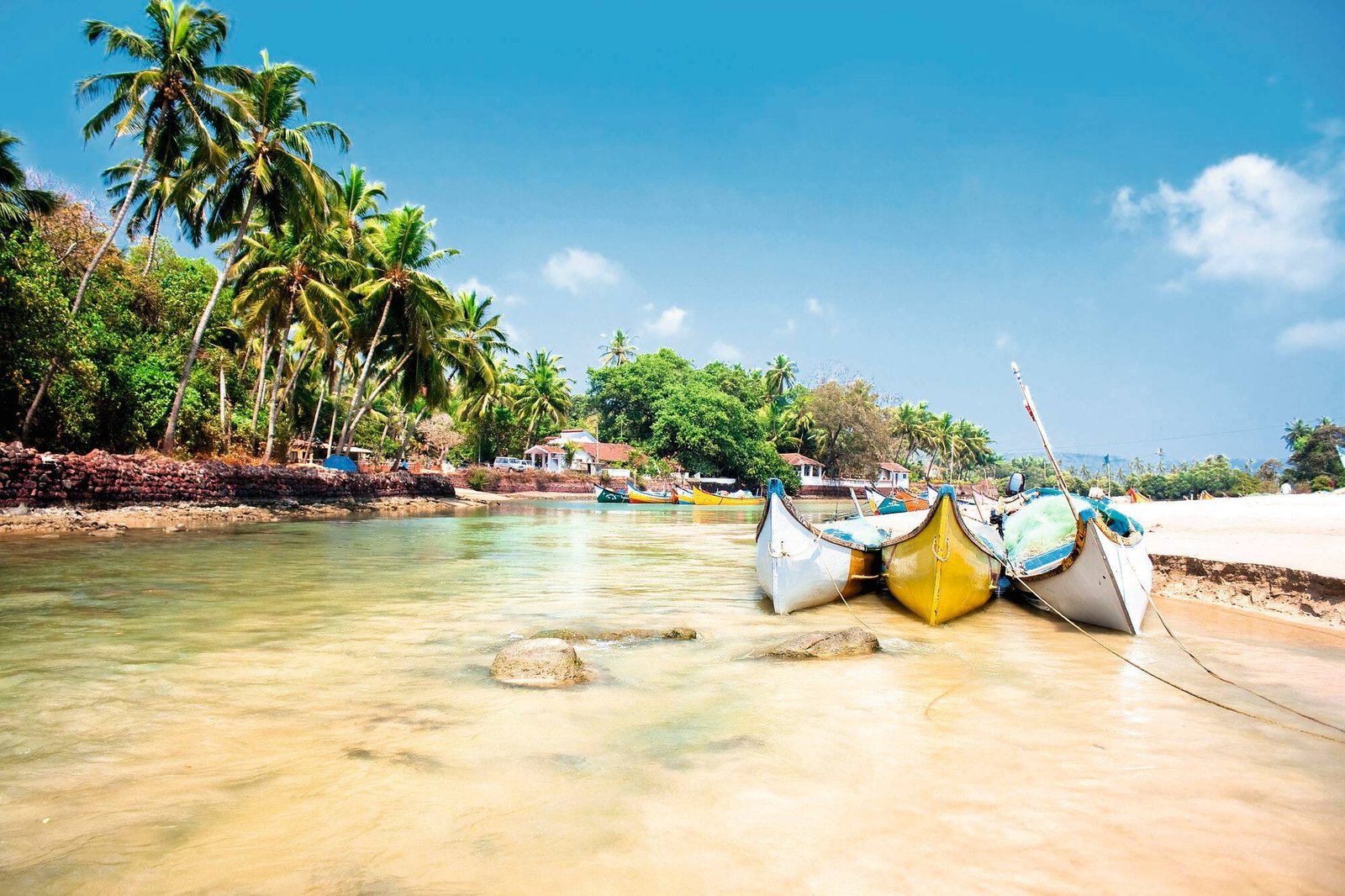
Asia travel guide cover

Asia Travel Guide

Explore Asia
Advertisement

TraveliciousBites' Asia Travel Guide spans the continent's most rewarding regions, from Japan's cities and Thailand's islands to India's cultural circuit and Vietnam's street food scene. Whether you're planning a two-week backpacking route or a single-country trip, this guide breaks down when to go, what to budget, and which underrated destinations reward travelers willing to go beyond the standard route, based on the same research approach we apply across every region we cover.
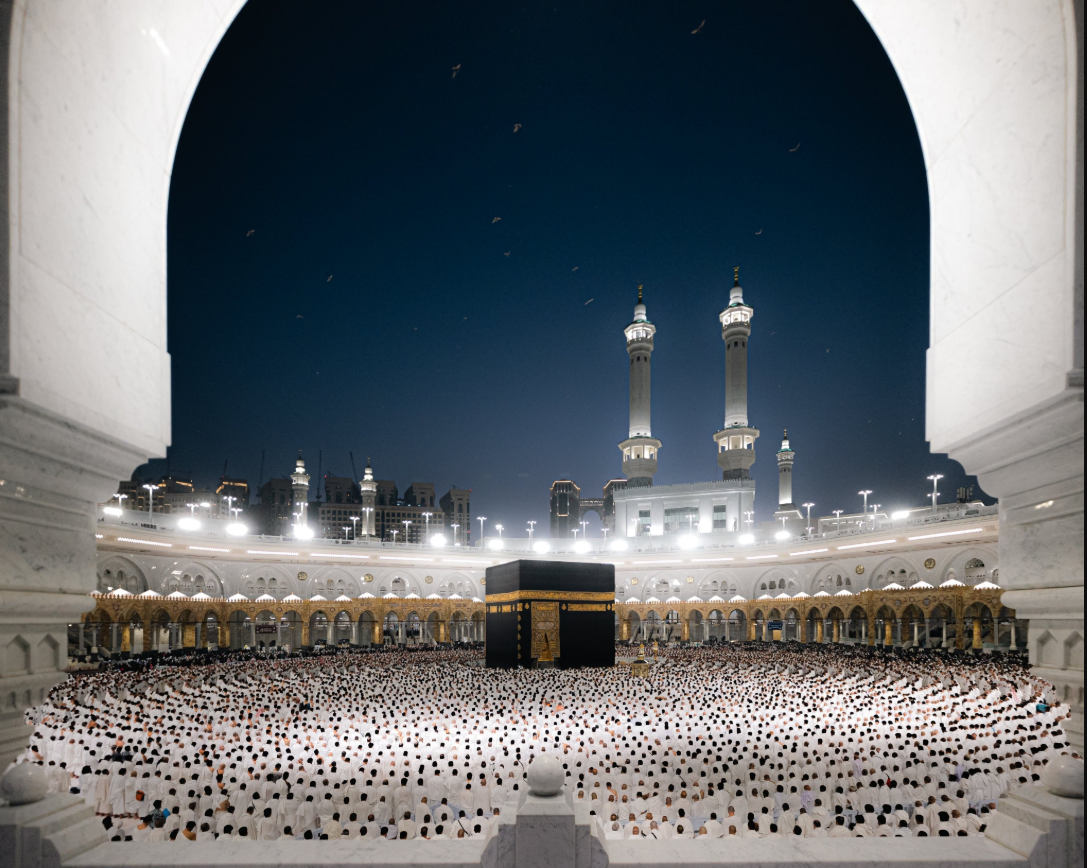
Best Time to Visit Asia

Asia's size means no single season works continent-wide. Southeast Asia — Thailand, Vietnam, and Indonesia — runs driest and most comfortable November through March, avoiding the monsoon rains that dominate the middle of the year and turn some rural roads impassable.

Japan and South Korea reward a spring (March–May) or fall (September–November) visit, timing trips around cherry blossoms or autumn foliage while avoiding summer's heat and humidity, and both cherry blossom and foliage timing shift slightly year to year based on weather. India's ideal window runs October through March, sidestepping both summer heat and monsoon season, with the Himalayan regions requiring a different summer-focused calendar entirely for high-altitude trekking.

TraveliciousBites recommends building your season around your primary country rather than trying to time a multi-country trip perfectly for every stop.

Asia weather and seasonal guidesTap to see articles matched to each window

Top Destinations and Underrated Places to Visit

  • Japan Travel Guide

    — Tokyo and Kyoto anchor most first trips, with Osaka offering a food-focused alternative base.

  • Thailand Travel Guide

    — Bangkok, Chiang Mai, and southern islands cover city, culture, and beach in one country.

  • Vietnam

    — Hanoi's old quarter and Ha Long Bay pair well with Ho Chi Minh City's faster pace further south.

  • India Travel Guide

    — the Golden Triangle of Delhi, Agra, and Jaipur remains the standard first-timer route.

  • Underrated additions

    — Sri Lanka's beaches and hill country, Taiwan's night markets, and Laos's slower-paced river towns all reward travelers looking past Asia's most-visited stops.

  • South Korea

    — Seoul pairs modern city energy with easy day trips to historic palaces and the DMZ, often overlooked in favor of Japan on a first Asia trip.

More Asia destination guidesTap to see related guides
Asia accommodation

Where to Stay

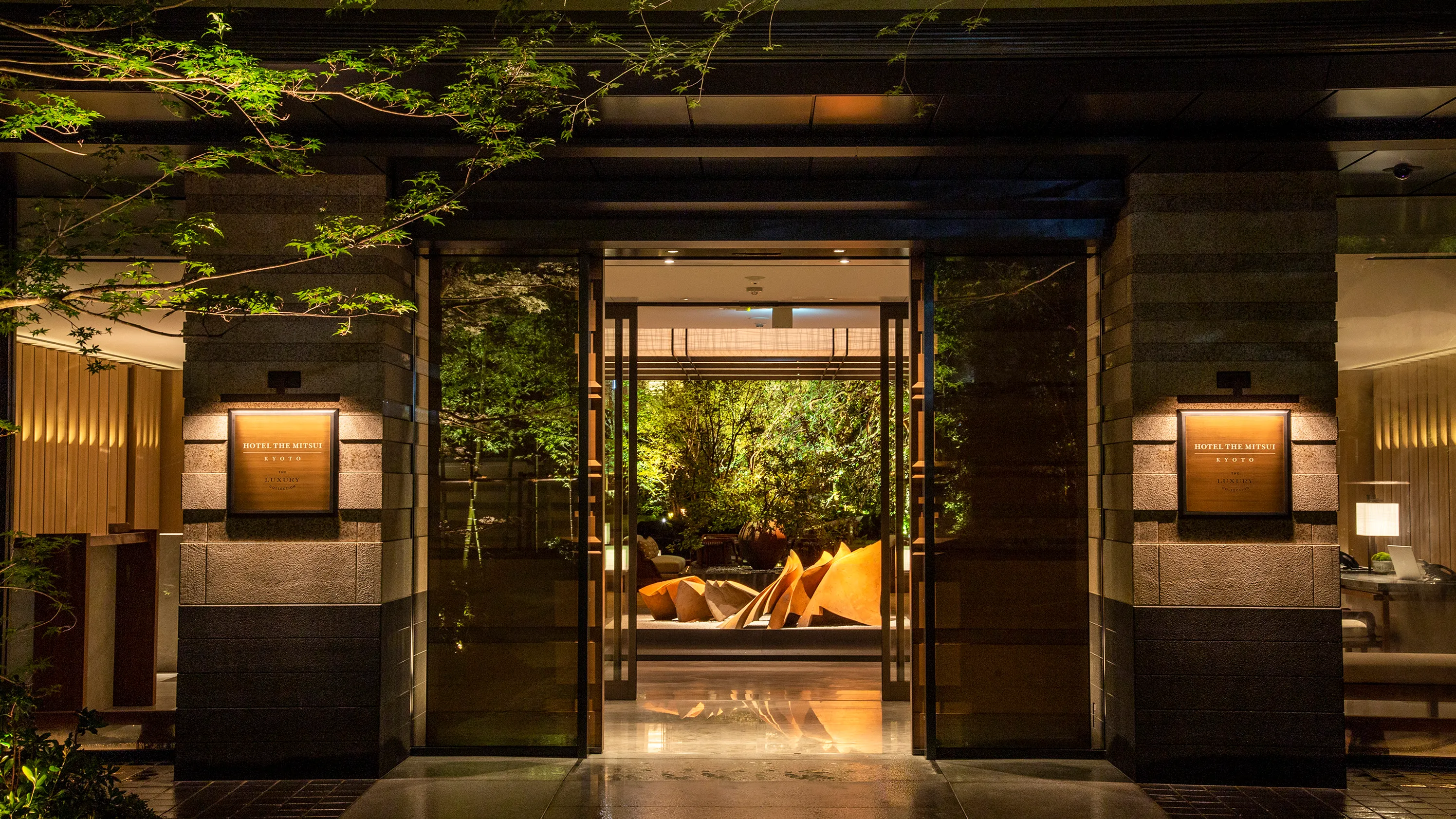
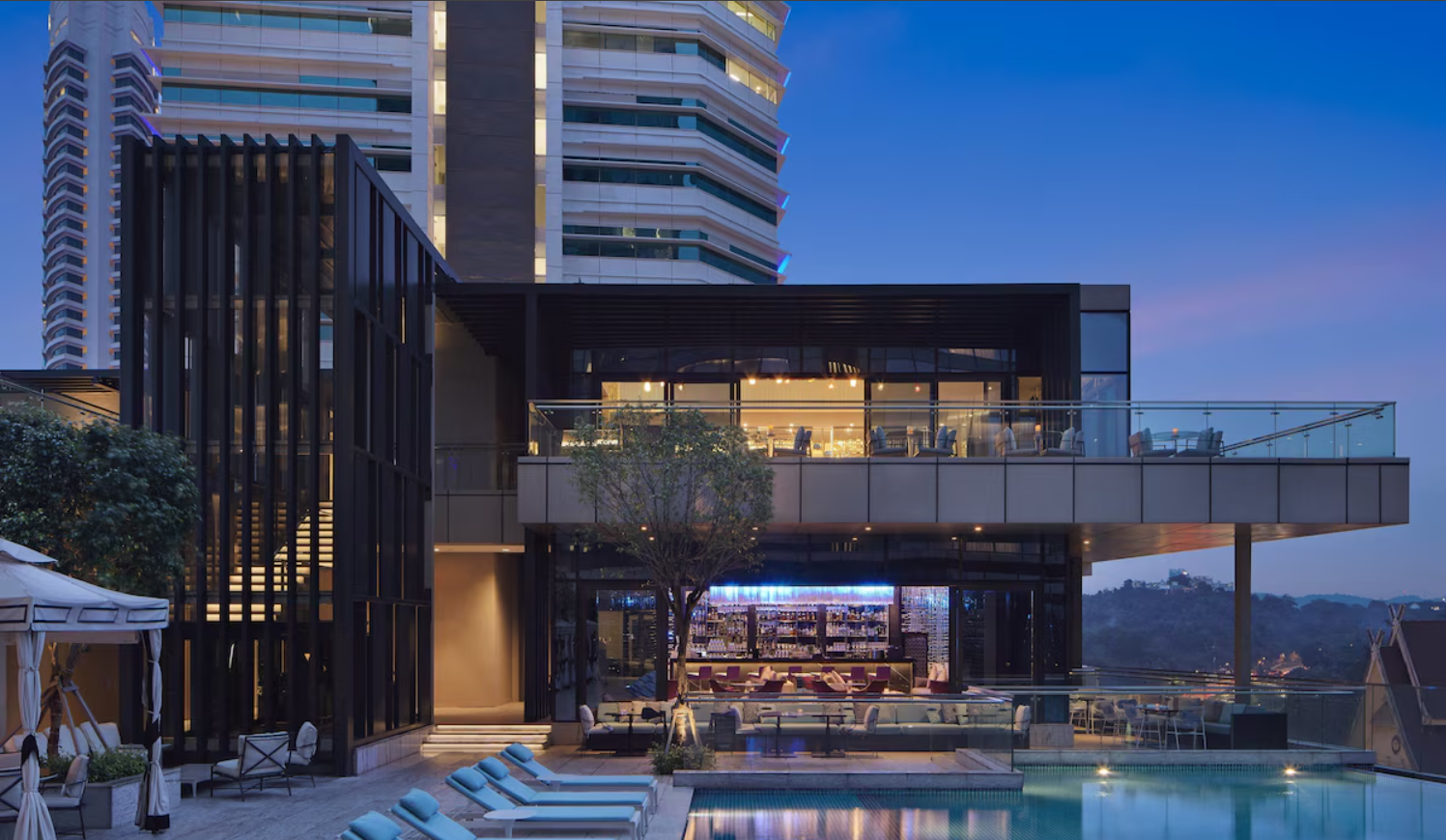
Accommodation costs and styles vary enormously across Asia.

Southeast Asia offers strong value across every tier, from $15-a-night guesthouses to $150-a-night luxury resorts on Thai and Indonesian islands, giving budget and luxury travelers alike a wide range of comfortable options.

Japan runs considerably higher for equivalent quality, though capsule hotels and business hotels offer a budget-friendly alternative to full-service properties without sacrificing central, convenient locations.

TraveliciousBites recommends booking accommodation in Japan further ahead than in Southeast Asia, since availability tightens quickly during cherry blossom and autumn foliage seasons, sometimes six months or more in advance for popular Kyoto ryokans.

Asia hotels and places to stayTap to see related guides

Food and Dining

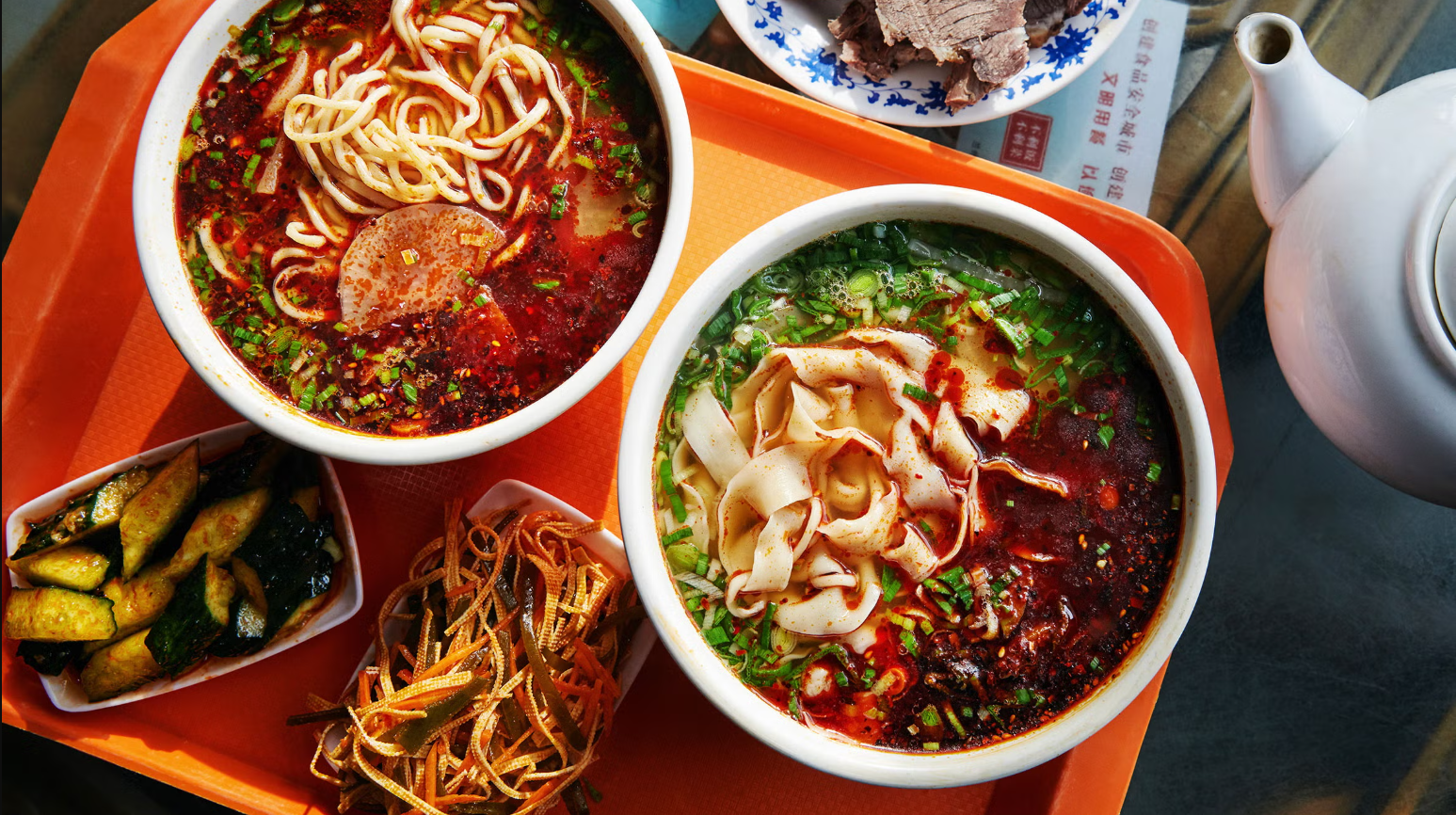
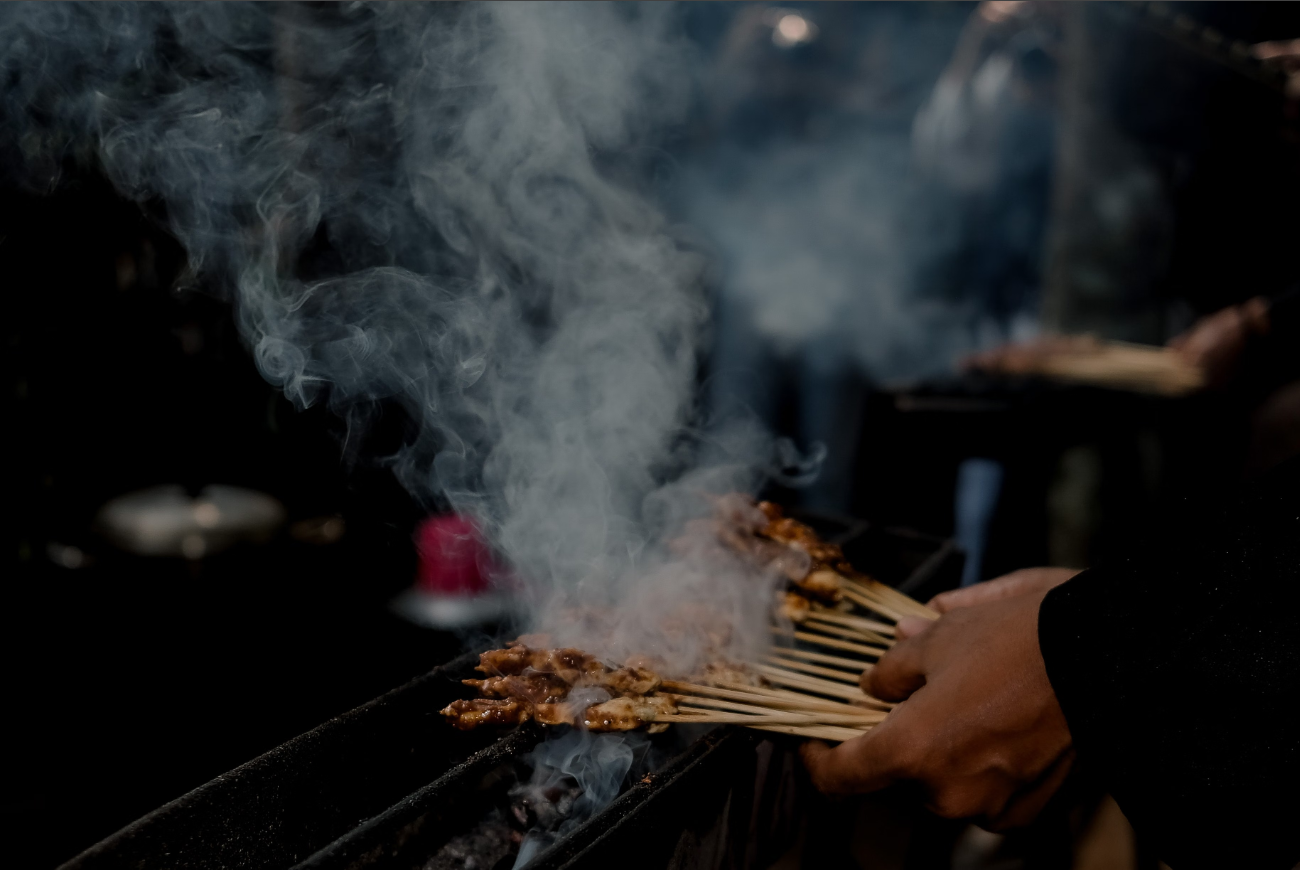
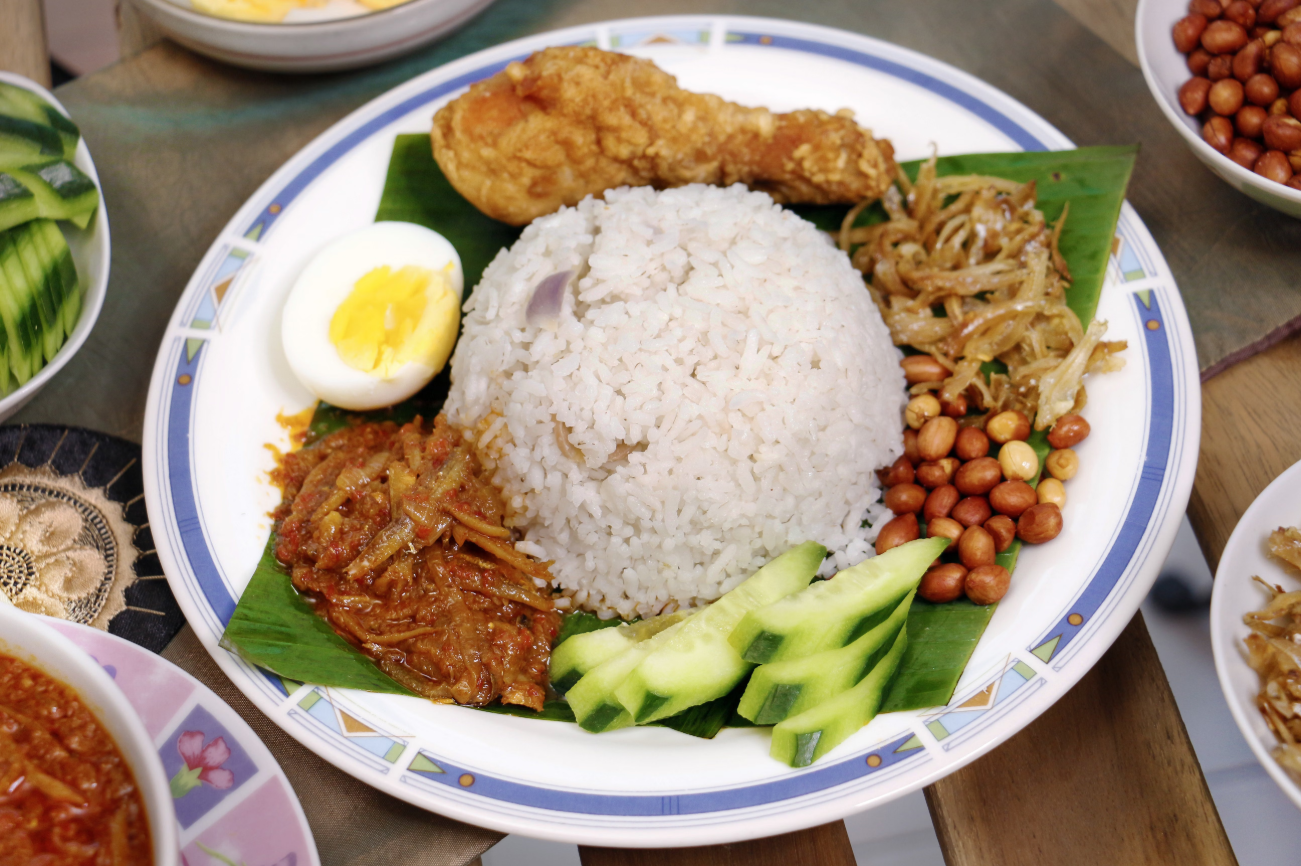
Asia's street food scenes rank among the world's best value dining, from Bangkok's night markets to Hanoi's pho stalls and Taipei's night markets, where a full, satisfying meal often costs under five dollars.

Japan pairs high-end sushi and kaiseki dining with equally excellent, affordable ramen and convenience store food, proving that budget dining in Japan can rival higher-priced options in quality.

India's regional cuisines vary dramatically by state, rewarding travelers who sample beyond the familiar butter chicken and naan found on most tourist menus, from Kerala's coconut-based curries to Punjab's tandoor-cooked specialties.

Asia food and dining articlesTap to see related guides

Getting There and Around

Direct flights from the US run 13–18 hours depending on destination, with Tokyo, Bangkok, and Delhi serving as the most common entry points for multi-country itineraries. Many Southeast Asian countries offer visa-free or visa-on-arrival entry for US citizens, while Japan and South Korea allow visa-free stays for tourism.

Within the region, budget airlines connect most major cities affordably, making a multi-country itinerary easier to piece together than overland travel alone, though border crossings by land remain popular and scenic across mainland Southeast Asia. Trains work well within Japan and India specifically, both offering extensive, reliable rail networks, with Japan's shinkansen bullet trains in particular cutting city-to-city travel times dramatically compared to flying.

Asia transport and arrival guidesTap to see related guides

How Much Does a Trip to Asia Cost

India$800–$1,5002 weeks · strong value throughout
Japan$2,500–$4,0002 weeks · rail pass & mid-range hotels

A two-week backpacking trip through Southeast Asia typically runs $1,000–$2,000 per person, covering budget accommodation, street food, and budget flights or buses between stops. Japan costs considerably more for equivalent duration, typically $2,500–$4,000 for two weeks including a rail pass and mid-range hotels.

India falls toward the lower end of the range, with strong value across accommodation and dining even at a comfortable mid-range budget, making it one of the most affordable countries in Asia for a longer, slower-paced trip.

Asia budget and trip-planning articlesTap to see related guides

Local Tips

  • Carry small denominations of local currency for markets and street food vendors who may not accept cards, particularly outside major city centers.
  • Research each country's specific visa requirements before booking flights, since rules vary significantly even between neighboring countries and change periodically.
  • Pack layers if your itinerary spans both Southeast Asia's heat and Japan or Northeast Asia's cooler shoulder-season temperatures, and bring a portable charger for long travel days between cities and countries.

Practical Essentials for Asia

  • Power outlets and voltage vary significantly across Asia, so pack a universal adapter and check voltage compatibility for each country on your itinerary before departure.

  • An eSIM or local prepaid SIM card offers the most affordable data option in most Asian countries, often costing a fraction of international roaming rates through a US carrier.

  • Tipping customs vary widely: Japan considers tipping unnecessary and occasionally awkward, while Southeast Asian countries increasingly expect a small tip in tourist-oriented restaurants and for guided tours.

  • Tap water is not safe to drink in most of Asia outside Japan and South Korea, so budget for bottled or filtered water throughout your trip.

Advertisement

Latest from Asia

Frequently Asked Questions About Asia

Answers below draw on the same research TraveliciousBites uses across every destination and category guide.

What are the most underrated places to visit in Asia?

Sri Lanka's beaches and hill country, Taiwan's night markets, and Laos's slower-paced river towns reward travelers looking past Asia's most-visited destinations like Bangkok and Tokyo.

Which Asian countries are best for first-time travelers?

Thailand and Japan both work well for first-time visitors to Asia, offering strong tourism infrastructure, English signage in major cities, and a wide range of accommodation and dining options.

What is the best time of year to travel across Southeast Asia?

November through March offers Southeast Asia's driest, most comfortable travel season, avoiding the monsoon rains that dominate the middle of the year across Thailand, Vietnam, and Indonesia.

How much does a two-week backpacking trip through Asia cost?

A two-week Southeast Asia backpacking trip typically costs $1,000–$2,000 per person, covering budget accommodation, street food, and budget flights or buses between stops.

Which Asian destinations are best for street food and culinary travel?

Bangkok, Hanoi, and Taipei rank among Asia's top street food destinations, each offering night markets and food stalls that rival or exceed sit-down restaurant quality at a fraction of the price.

Do most Asian countries require a visa for US travelers?

Requirements vary — many Southeast Asian countries offer visa-free or visa-on-arrival entry for US citizens, while Japan and South Korea allow visa-free tourist stays; India and a few others require an advance e-visa.

How do I plan a multi-country trip across Asia efficiently?

Group countries by region — mainland Southeast Asia, for example — and use budget airlines or overland border crossings to connect stops, since flying between distant regions like Japan and India adds significant time and cost.

Is it better to book a guided tour or travel independently in Asia?

Independent travel works well in tourism-established countries like Thailand and Japan, while a guided tour can simplify logistics in destinations with more complex visa rules or less English signage, such as parts of rural India or China.

Is tap water safe to drink in Asia?

Tap water is not safe to drink in most of Asia outside Japan and South Korea, so budget for bottled or filtered water and avoid ice from unknown sources when traveling elsewhere in the region.

Do I need a local SIM card when traveling through Asia?

An eSIM or local prepaid SIM card offers the most affordable data option in most Asian countries, typically costing far less than international roaming charges through a US carrier.

What is the best way to budget for a multi-country Asia trip?

Set a daily budget per country rather than one figure for the whole trip, since costs in Japan can run three to four times higher per day than in Vietnam or Laos for comparable comfort.

Are overnight trains or buses worth using in Asia?

Overnight trains and buses save a night of accommodation cost and work well on routes like Bangkok to Chiang Mai or across Vietnam, though comfort varies significantly by operator and class booked.

What is the biggest mistake first-time Asia travelers make?

Trying to cover too many countries in one trip is the most common mistake — Asia's size and travel times mean two or three well-explored countries almost always beat a rushed six-country tour.

Should I exchange currency before departure or on arrival in Asia?

Withdrawing local currency from an ATM on arrival typically offers better rates than exchanging cash at a US bank beforehand, though carrying a small amount of local currency for the first day is still wise.

Advertisement